
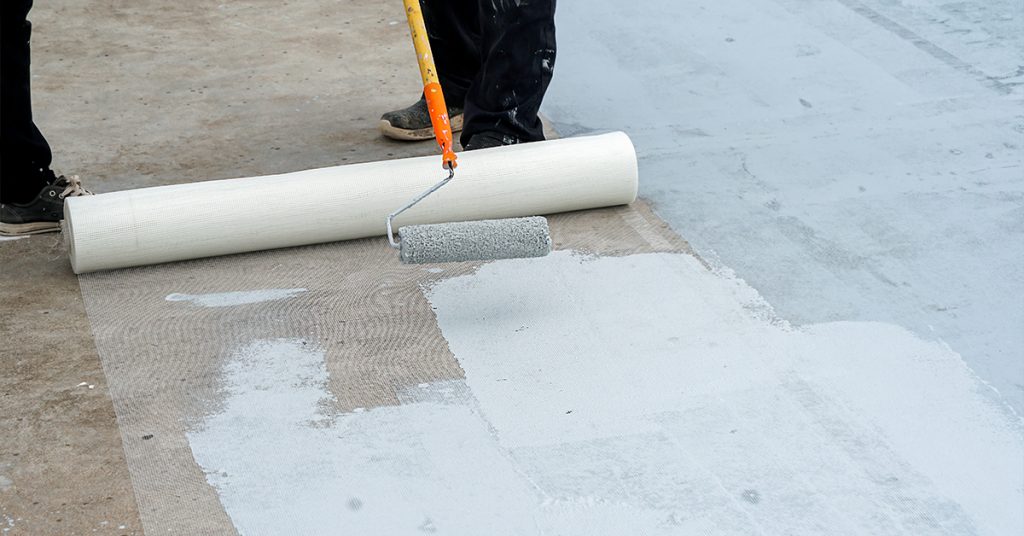
You have a leaking terrace, a damp bathroom, or a seeping external wall — and now you are facing the most confusing decision in building maintenance: should you go with the traditional waterproofing your contractor has always recommended, or invest in modern chemical waterproofing systems? The debate between chemical waterproofing and traditional waterproofing is one of the most common questions homeowners, builders, and housing societies ask — and getting the answer wrong costs thousands.best water proofing services in hyderabad
Traditional waterproofing methods have been used in India for decades. Chemical waterproofing systems have emerged over the last 20 years as scientifically advanced alternatives. Both have genuine applications — but they perform very differently in terms of lifespan, effectiveness, cost over time, and suitability for different situations.
In this comprehensive, expert guide, AquaLX — with over a decade of professional waterproofing experience across thousands of Indian projects — provides a clear, unbiased comparison of chemical vs traditional waterproofing: what each involves, where each works best, their real costs, and which one delivers superior long-term value for your building. best water proofing services in hyderabad
📞 Call Now: +91 9347900396 — Free waterproofing consultation, no obligation.
⚡ Quick Answer: Chemical Waterproofing vs Traditional Waterproofing — Which is Better?
Chemical waterproofing is generally superior to traditional waterproofing for most modern applications because it offers:
- Longer lifespan — 8 to 15 years vs 3 to 5 years for traditional methods
- Stronger adhesion and crack-bridging ability
- No demolition required in most cases
- Better resistance to UV, heat, and hydrostatic pressure
- Lower long-term cost despite higher upfront investment
Traditional waterproofing (brick bat coba, mud phuska, lime-based systems) remains valid for specific heritage or budget-constrained projects, but requires more frequent renewal and offers less reliable performance in modern construction contexts. AquaLX recommends the right system after a free professional assessment — call +91 9347900396.
What is Traditional Waterproofing? A Clear Definition
Traditional waterproofing refers to methods that have been used in Indian construction for generations — developed before the advent of polymer chemistry and modern construction technology. These methods rely primarily on physical barriers, natural materials, and cement-based systems to resist water ingress.
Common Traditional Waterproofing Methods in India
1. Brick Bat Coba (BBC)
The most widely used traditional terrace waterproofing method in India. Broken brick pieces are set in a sloped cement mortar bed over the roof slab, creating a thermal buffer layer topped with a cement plaster finish. It provides some protection and improves drainage slope, but the cement joints and brick interfaces are porous and crack over time — requiring replacement every 5–8 years. best water proofing services in hyderabad
2. Mud Phuska with Lime Terrace
A traditional method using compacted mud or earth topped with lime mortar — historically effective in dry climates but highly prone to cracking in the thermal cycling conditions of modern Indian cities. Rarely used in new construction; sometimes found in heritage buildings and rural areas.
3. Cement-Based Waterproofing (Integral Method)
Adding waterproofing compounds (typically calcium stearate or aluminium sulphate) to the concrete mix during casting. This reduces concrete porosity but does not provide surface waterproofing and degrades in effectiveness as the concrete ages and cracks.
4. Plain Cement Plastering with Surface Coating
Applying multiple coats of rich cement plaster with a waterproof additive as a surface treatment. Effective only when applied perfectly — which is rarely achieved in practice — and typically requires renewal every 2–3 years as the plaster develops micro-cracks from thermal movement.
5. Bitumen / Coal Tar Coating
Brush-applied or torch-applied bituminous coatings have been used for decades on roofs and foundations. Bitumen is effective in cool, dark conditions but becomes brittle and cracks under the UV and heat exposure typical of Indian terraces — usually failing within 3–5 years in exposed applications.
What is Chemical Waterproofing? Modern Science Meets Construction
Chemical waterproofing refers to a range of scientifically formulated polymer-based systems that provide waterproofing through chemical bonding, molecular penetration, or elastic film formation — rather than relying purely on physical thickness or density. These systems have been developed and refined over the last three decades and represent the current global standard for waterproofing in modern construction.
Major Chemical Waterproofing Systems
1. Polyurethane (PU) Liquid Membrane
Applied as a liquid that cures to form a seamless, elastic, fully bonded membrane with elongation of 300–500%. It bridges cracks, accommodates thermal movement, and resists UV degradation. The most versatile chemical waterproofing system — used on terraces, bathrooms, balconies, external walls, and foundations.
2. Crystalline Waterproofing
Active chemicals penetrate concrete and react with moisture to form permanent insoluble crystals within the capillary pores and micro-cracks of the slab. Unlike surface coatings, crystalline treatment becomes part of the concrete permanently — it cannot peel, crack, or delaminate, and even self-heals minor new cracks over time.
3. Cementitious Two-Component Waterproofing
A factory-formulated blend of cement powder and polymer liquid, mixed on site and applied as a slurry. Provides a rigid-to-flexible waterproof coating that bonds powerfully to concrete and masonry. The most common chemical system used for bathroom waterproofing in new construction across India.
4. APP / SBS Modified Bitumen Membrane
Unlike traditional bitumen, modified bitumen sheets incorporate polymers (APP or SBS) that dramatically improve flexibility, UV resistance, and temperature performance. Torch-applied to the substrate, they provide a thick, self-healing waterproof layer — a vast improvement over plain bitumen with lifespans of 15+ years in protected applications.
5. Acrylic and Elastomeric Coatings
Polymer-modified coatings that form flexible, crack-bridging films on external walls and roof surfaces. UV-stable, colour-stable, and breathable — they simultaneously waterproof and improve building aesthetics with lifespans of 7–10 years.
6. Epoxy and Polyurethane Injection Grouts
Injected under pressure into active cracks and joints, these chemical grouts expand or flow to fill voids completely — stopping live water ingress that no traditional method can address. Essential for structural crack repair before any surface waterproofing is applied.
Not Sure Which Waterproofing System is Right for Your Building?
AquaLX’s certified specialists assess your specific situation and recommend the most effective, most cost-efficient solution — chemical, traditional, or a combination. Free inspection, no obligation.🌐 Visit AquaLX.com📞 Call Now: +91 9347900396
Chemical Waterproofing vs Traditional Waterproofing: Head-to-Head Comparison Key Section
| Comparison Factor | 🟥 Traditional Waterproofing | 🟦 Chemical Waterproofing |
|---|---|---|
| Average Lifespan | 3–8 years | 8–15+ years |
| Application Method | Labour-intensive, wet trades | Spray, roll, or inject — faster |
| Crack Bridging | Poor — cement cracks easily | Excellent — elastic polymers |
| UV & Heat Resistance | Poor (bitumen/cement degrade) | Excellent — UV-stable formulations |
| Adhesion to Substrate | Mechanical only | Chemical + mechanical bond |
| Works Without Demolition | Rarely — often requires tile removal | Yes — most systems over existing surfaces |
| Self-Healing Ability | None | Yes (crystalline systems) |
| Upfront Cost | Lower | Moderate to Higher |
| 10-Year Total Cost | Higher (frequent renewal) | Lower (one treatment lasts) |
| Maintenance Required | High — annual inspection needed | Low — periodic inspection only |
| Workmanship Warranty | Rarely offered | 5–12 years (professional application) |
| Suitable for Active Leaks | No | Yes (PU injection) |
| Environmental Impact | Higher (more material waste) | Lower (less frequent replacement) |
| Availability of Skilled Labour | Widely available | Requires trained applicators |
✅ Comparison Verdict: Chemical waterproofing outperforms traditional waterproofing in 11 out of 14 comparison factors. Traditional waterproofing has advantages only in upfront cost and labour availability — both of which are offset by its significantly higher long-term cost and more frequent replacement requirement.
Pros and Cons: Honest Assessment of Both Systems
🟥 Traditional Waterproofing — Pros & Cons
Pros: Lower upfront material cost. Widely understood by local contractors. Proven track record in dry and moderate climates. Brick bat coba provides thermal insulation benefit on roofs. Suitable for low-budget projects where longevity is secondary.
Cons: Short lifespan of 3–8 years requiring frequent renewal. Highly labour-intensive and time-consuming to apply. Poor crack-bridging — cement-based systems fail at joints and cracks. Cannot be applied over existing surfaces without demolition. No self-healing ability. Bitumen fails under UV and heat exposure. Higher total cost over 10 years due to repeat treatments. Rarely comes with any workmanship warranty. Cannot address active or live water leakage. best water proofing services in hyderabad
🟦 Chemical Waterproofing — Pros & Cons
Pros: Lifespan of 8–15+ years — dramatically reduces frequency of treatment. Elastic systems bridge cracks and accommodate thermal movement. Can be applied over existing surfaces without demolition. Self-healing crystalline systems provide permanent protection. UV and heat resistant — performs under Indian climate conditions. Active leak treatment possible with PU injection. Written workmanship warranty of 5–12 years. Lower total cost over building lifetime. Faster application — less disruption to occupants.
Cons: Higher upfront material cost than traditional methods. Requires trained, certified applicators for correct results. Quality varies significantly between products — expert selection essential. Surface preparation requirements are stringent — poor prep leads to failure.
💡 AquaLX Expert Insight: The single most important factor in any waterproofing system’s performance — traditional or chemical — is surface preparation. Even the best chemical waterproofing product will fail if applied over a dirty, contaminated, or structurally unsound substrate. This is why professional application by trained specialists consistently outperforms DIY or unskilled contractor work, regardless of product quality.
When to Use Chemical Waterproofing vs Traditional Waterproofing
Despite chemical waterproofing’s overall superiority, there are specific situations where traditional methods remain relevant — and situations where chemical systems are clearly the only appropriate choice. Here is AquaLX’s practical guidance:
Choose Chemical Waterproofing When:
Active Water Leakage is Present
No traditional method can stop actively flowing water through a crack or joint. PU injection grouting — a chemical system — is the only reliable solution for live, active leaks. It expands on contact with water to fill the crack completely under pressure, stopping the leak at source.
Long-Term Protection is the Priority
For building owners who want to waterproof once and have it last a decade or more, chemical systems — particularly crystalline treatment or liquid PU membranes — are the clear choice. Their lifespan of 8–15+ years versus 3–8 years for traditional methods makes the investment case compelling.
No Demolition is Acceptable
When tiles, screeds, or finishes must be preserved — chemical waterproofing systems can be applied directly over most existing surfaces without any demolition. This saves time, disruption, and the significant cost of demolition and reinstatement work.
Bathrooms, Wet Areas & Below-Ground Structures
Areas in continuous or frequent contact with water require chemical-grade waterproofing — cementitious two-component systems, crystalline treatment, or PU membranes — because traditional methods degrade rapidly under sustained water exposure.
High-Value Properties and Commercial Buildings
For commercial properties, housing societies, and high-value residential buildings, the documented warranty and proven performance of chemical waterproofing systems provide the accountability and certainty that property managers and owners require.
Traditional Waterproofing May Still Apply When:
Budget is Severely Constrained — Short-Term Fix Only
If budget permits only a short-term solution with plans to do comprehensive treatment later, brick bat coba or cement plastering can provide temporary relief. However, this should be understood as a 3–5 year measure, not a permanent solution.
Heritage or Conservation Buildings
Some heritage conservation specifications require lime-based or traditional materials to maintain structural and aesthetic compatibility with the original construction. In these specific cases, traditional methods are the appropriate choice.
Improving Drainage Slope on a Flat Roof
Brick bat coba remains a practical method for correcting drainage slope on existing flat roofs, often used as a substrate layer beneath a modern chemical waterproofing membrane — combining the thermal and slope benefits of traditional methods with the superior waterproofing performance of chemical systems.
Chemical vs Traditional Waterproofing: True Cost Comparison Over 10 Years
The upfront cost of chemical waterproofing is higher — but the 10-year total cost of ownership tells a very different story. Here is a realistic cost comparison for a standard 1,000 sq.ft terrace:
| Cost Factor | Traditional (Brick Bat Coba) | Chemical (PU Membrane) |
|---|---|---|
| Initial Application Cost | ₹50,000 – ₹80,000 | ₹70,000 – ₹1,20,000 |
| Expected Lifespan | 5–8 years | 10–12 years |
| Renewal Cost (at end of lifespan) | ₹50,000 – ₹80,000 (demolish + redo) | ₹20,000 – ₹35,000 (recoat only) |
| Annual Maintenance | ₹5,000 – ₹10,000 | ₹1,000 – ₹3,000 |
| Interior Repair from Leakage | ₹30,000 – ₹80,000 (typical) | Minimal to zero |
| Estimated 10-Year Total Cost | ₹1,80,000 – ₹3,50,000 | ₹90,000 – ₹1,60,000 |
✅ 10-Year Saving with Chemical Waterproofing: ₹90,000 to ₹1,90,000 — despite the higher upfront cost. When interior repair costs from leakage failures are included, the saving is even more significant. The choice between traditional and chemical waterproofing is ultimately a financial decision — and the numbers strongly favour chemical systems for any building intended to last.
Which Waterproofing is Right for Your Specific Situation? Decision Guide
New Building Construction
Chemical waterproofing is the clear choice for new construction. Applied before tiling and finishing, chemical systems — cementitious two-component for bathrooms, liquid PU membrane for terraces and balconies — provide the most comprehensive protection from day one, at the lowest disruption and long-term cost. There is no reason to use traditional methods in new construction when chemical systems are available at competitive rates.
Existing Building with Active Leakage
Chemical waterproofing only. Active leaks require PU injection grouting to stop the water at source, followed by a surface membrane system. Traditional cement-based methods cannot stop active water ingress and will fail within one monsoon season if applied over wet, actively leaking substrates.
Old Building Requiring Renovation
A combination approach often works best — brick bat coba removal (if present and failed), followed by crystalline treatment of the exposed slab and a liquid PU membrane system as the final waterproofing layer. This leverages the best of both approaches: slope correction through the screed and chemical-grade waterproofing for durability.
Budget-Constrained Projects
Even on constrained budgets, consider a targeted chemical approach — treating only the most critical zones (bathroom floors, terrace drainage areas, parapet junctions) with chemical systems while using traditional methods for lower-risk areas. Partial chemical treatment consistently outperforms full traditional treatment in terms of leak prevention per rupee spent.
Let AquaLX Choose the Right System for Your Building
With 10+ years of experience across 10,000+ projects, AquaLX has the expertise to recommend the optimal waterproofing solution — chemical, traditional, or hybrid — for your specific building, budget, and performance requirements.🌐 Get Expert Advice at AquaLX.com📞 Call Now: +91 9347900396
Why Professional Application is Critical for Both Systems
Both traditional and chemical waterproofing systems can fail if applied incorrectly. The difference is that a failed chemical system is almost always an application failure — not a product failure. This is why choosing a certified, experienced waterproofing contractor like AquaLX is as important as choosing the right system.
The Most Common Waterproofing Application Mistakes
- Inadequate surface preparation — the leading cause of premature waterproofing failure in India
- Incorrect product selection — using a product designed for one substrate on a different material
- Insufficient coating thickness — applying fewer coats than specified to save time or cost
- Skipping primer coats — reducing adhesion and leaving micro-pores unsealed
- Poor detailing at junctions — leaving wall-floor corners, pipe penetrations, and drain surrounds inadequately treated
- Application in wet or cold conditions — preventing proper curing and bonding
- No flood testing before handover — failing to verify performance before the monsoon arrives
AquaLX’s ISO-compliant application protocols, factory-trained specialist teams, and mandatory flood testing before project sign-off eliminate all of these failure modes — guaranteeing performance and backing it with a written warranty.
Frequently Asked Questions — Chemical vs Traditional Waterproofing
Optimised for Google Featured Snippets & People Also Ask
Q1. Is chemical waterproofing better than traditional waterproofing?
In most modern construction scenarios, yes — chemical waterproofing is significantly better than traditional waterproofing. Chemical systems offer longer lifespans (8–15 years vs 3–8 years), superior crack-bridging ability, UV and heat resistance, no-demolition application in most cases, and written workmanship warranties. The higher upfront cost is offset by dramatically lower 10-year total cost of ownership. Traditional methods remain relevant for budget-constrained short-term applications and specific heritage conservation contexts.
Q2. What is the difference between chemical waterproofing and traditional waterproofing?
Traditional waterproofing uses cement-based, bituminous, or physical barrier methods — brick bat coba, mud phuska, plain bitumen — that rely on material thickness rather than chemical bonding. Chemical waterproofing uses polymer-based systems — polyurethane membranes, crystalline compounds, modified bitumen, cementitious two-component systems — that bond chemically to the substrate, bridge cracks elastically, and provide significantly longer-lasting protection. Chemical systems are scientifically formulated for specific performance parameters; traditional methods are empirical solutions developed before polymer chemistry was available.
Q3. How long does chemical waterproofing last compared to traditional waterproofing?
Professional chemical waterproofing systems typically last 8 to 15 years, depending on the system used and maintenance conditions. Traditional waterproofing methods — brick bat coba, cement plaster systems, plain bitumen — typically last 3 to 8 years before requiring renewal. Crystalline chemical systems are considered permanent as they become part of the concrete matrix. AquaLX provides written workmanship warranties of 5–12 years on all chemical waterproofing applications.
Q4. Which waterproofing is best for a flat RCC terrace in India?
For a flat RCC terrace in India, a liquid polyurethane (PU) membrane applied in 2–3 coats is the best waterproofing solution. It provides a seamless, UV-stable, elastic barrier that accommodates thermal movement and bridges cracks — outperforming brick bat coba, plain bitumen, and cement plaster systems in every performance parameter. For terraces with existing active leaks, PU injection grouting is performed first, followed by the liquid membrane system. best water proofing services in hyderabad
Q5. Can chemical waterproofing be applied over traditional waterproofing?
In some cases, yes. If the existing traditional waterproofing layer (such as brick bat coba) is sound and firmly bonded, a chemical membrane system can be applied over it after thorough cleaning and preparation. If the traditional layer has failed, delaminated, or cracked extensively, it must be removed before the chemical system is applied to ensure proper adhesion and performance. AquaLX assesses existing conditions before recommending whether overlay or removal is appropriate.
Q6. Is chemical waterproofing safe for use in bathrooms and water tanks?
Yes. Most chemical waterproofing systems used for bathroom and water tank applications are certified as non-toxic and potable-water safe once fully cured. Cementitious two-component waterproofing and crystalline systems are particularly suitable for water tanks and bathroom floors as they are chemically inert when cured and will not affect water quality. Always verify that the product used carries the appropriate certification for the intended application. best water proofing services in hyderabad
Q7. Why does traditional waterproofing fail so often in Indian buildings?
Traditional waterproofing fails frequently in Indian conditions for several reasons: the extreme thermal cycling between summer temperatures (40–48°C) and cooler nights causes continuous expansion and contraction that cracks cement-based systems; the intense UV radiation degrades plain bitumen rapidly; the sustained monsoon rainfall exceeds the hydrostatic resistance of porous cement plasters; and the absence of elasticity in traditional systems means any structural movement opens permanent pathways for water. Chemical systems are specifically engineered to overcome each of these failure modes.
Q8. How do I choose between chemical and traditional waterproofing for my building?
The key factors to consider are: the severity and type of leakage (active leaks require chemical injection — traditional methods cannot help); the intended lifespan of the treatment (10+ years requires chemical systems); whether demolition is acceptable (no demolition = chemical systems); your budget over a 10-year horizon (chemical is cheaper long-term despite higher upfront cost); and the type of area being treated (bathrooms, below-ground, and water tanks require chemical-grade systems). AquaLX offers free professional assessments to help you make the right decision — call +91 9347900396.
📎 Continue Your Waterproofing Education — More from AquaLX
Explore these expert guides to protect every part of your building:
- External Wall Waterproofing Benefits for Buildings: Complete Guide
- Why Bathroom Waterproofing is Important for Every Home
- How to Prepare Your Roof Before Rainy Season: Expert 2025 Guide
- Balcony Leakage Repair Without Removing Tiles: Permanent Solutions
- Crystalline Waterproofing: The Permanent Solution for Porous Concrete
- How PU Injection Grouting Stops Active Leaks Immediately
- Waterproofing Cost Guide India 2025: All Methods Compared
SEO note: Internal links connect the chemical vs traditional comparison topic to specific method pages (crystalline, PU injection), application area pages (bathroom, terrace, balcony, external wall), and commercial intent pages (cost guide) — maximising topical authority and reducing bounce rate across the AquaLX site.
Conclusion: The Verdict is Clear — But Context Always Matters
After an in-depth comparison across performance, cost, lifespan, application, and suitability, chemical waterproofing emerges as the clear winner for the vast majority of modern waterproofing applications in India. Its superior crack-bridging ability, UV and heat resistance, longer lifespan, lower 10-year total cost, and the ability to address active leakage without demolition make it the preferred system for any building owner who wants lasting, reliable protection.
Traditional waterproofing is not without merit — it has a role in budget-constrained situations, heritage contexts, and as a substrate layer for chemical systems. But as a standalone solution for modern Indian buildings facing the thermal extremes, monsoon rainfall, and structural demands of 21st-century construction, traditional methods simply cannot match the performance that chemical waterproofing delivers.
The most important lesson from this comparison is that the choice of system is only half the battle. The quality of surface preparation, the expertise of the applicator, and the rigour of the quality control process determine whether any waterproofing system — chemical or traditional — actually performs as intended. This is precisely why AquaLX’s certified specialists, documented protocols, and written warranties give our clients the confidence that their waterproofing investment will deliver the protection they paid for.
Make the Right Waterproofing Choice — With AquaLX
Stop guessing. Stop repeating the same failing repairs every monsoon. Get a professional assessment from AquaLX and invest once in a waterproofing solution that truly lasts — backed by a written guarantee.🌐 Visit AquaLX.com📞 Call Now: +91 9347900396
💬 Did This Comparison Help You Decide?
If this guide helped you understand the difference between chemical and traditional waterproofing — and which is right for your building — please share it with your housing society committee, your architect, your builder, or any property owner who is facing waterproofing decisions.
We want to hear from you — leave your questions, experiences, or opinions in the comments below. Have you tried both systems? What worked? What failed? Our experts respond to every comment and your real-world experience helps other readers make better decisions.
Share on WhatsApp, Facebook, LinkedIn, or Email — help more homeowners and building managers make informed waterproofing decisions. 🏢💧
© 2025 AquaLX Waterproofing Services. All rights reserved. | aqualx.com | 📞 +91 9347900396 | Chemical & Traditional Waterproofing Specialists Across India