
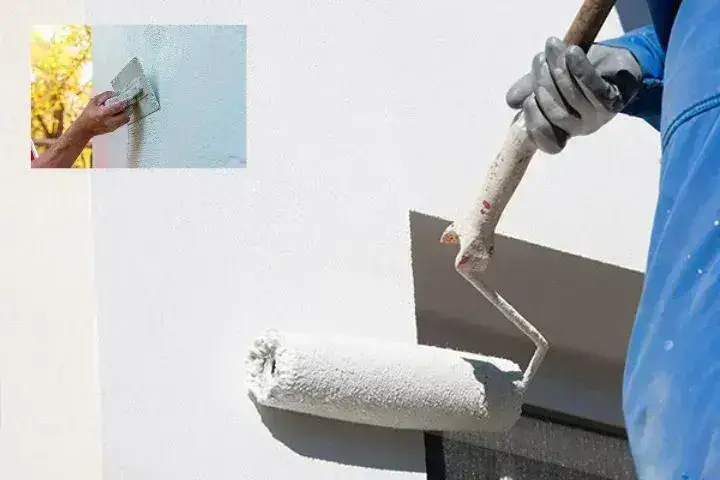
Introduction – Is Your Building Suffering from Damp Walls & Water Seepage?
Have you noticed peeling paint, damp patches, cracks, or mold growth on your building walls during rainy seasons? These are not just cosmetic issues — they are warning signs of serious water seepage problems that can weaken your building structure over time.
Many property owners ignore early signs of wall leakage until the damage becomes severe and expensive to repair. Water penetration through exterior walls can affect the strength, safety, appearance, and lifespan of your building.
This is where External Wall Waterproofing becomes essential.
At AQUALX Waterproofing, we specialize in professional waterproofing solutions designed to protect residential, commercial, and industrial buildings from water damage permanently.
In this detailed guide, you’ll learn:
- What external wall waterproofing is
- Why buildings need it
- Major benefits of waterproofing exterior walls
- Best waterproofing methods
- Common seepage causes
- Expert maintenance tips
- FAQs for better understanding
External wall waterproofing protects buildings from water seepage, dampness, cracks, mold growth, and structural damage by applying specialized waterproof coatings or membranes on exterior walls. It increases building lifespan, improves appearance, reduces maintenance costs, and prevents leakage problems caused by rain and moisture.
What is External Wall Waterproofing?
External wall waterproofing is the process of applying protective waterproof coatings, membranes, sealants, or chemical treatments to the outer walls of a building to prevent water penetration.
The exterior walls of any building are constantly exposed to:
- Rainwater
- Sunlight
- Humidity
- Dust & pollution
- Temperature changes
Over time, these environmental conditions create tiny cracks and porous surfaces that allow water to enter the structure.
Professional waterproofing creates a protective barrier that blocks moisture and prevents long-term damage.
Why External Wall Waterproofing is Important for Buildings
Many building owners focus only on interior design while ignoring the protection of external walls. However, exterior walls are the first defense line against environmental damage.
Without waterproofing, buildings can suffer from:
- Wall seepage
- Dampness
- Paint peeling
- Mold growth
- Structural weakening
- High repair costs
Waterproofing is not just maintenance — it is a long-term investment in your property’s safety and value.
Top External Wall Waterproofing Benefits for Buildings
1. Prevents Water Seepage & Leakage
One of the biggest advantages of external wall waterproofing is preventing water from entering the building structure.
Rainwater can penetrate through:
- Cracks
- Joints
- Porous plaster
- Damaged paint
Once moisture enters the wall, it spreads internally and causes severe damage.
Professional wall waterproofing seals these vulnerable areas and prevents leakage permanently.
2. Protects Structural Strength
Water is one of the biggest enemies of concrete and steel structures.
Continuous seepage can cause:
- Corrosion of reinforcement steel
- Concrete deterioration
- Surface weakening
- Cracks expansion
Waterproofing protects the structural integrity of your building and extends its lifespan significantly.
3. Stops Dampness & Mold Growth
Damp walls create ideal conditions for mold, fungus, and bacteria growth.
This can lead to:
- Bad odor
- Unhealthy indoor air
- Respiratory issues
- Allergies
External waterproofing blocks moisture before it enters the wall, helping maintain a healthy indoor environment.
4. Enhances Building Appearance
Water seepage damages paint and wall finishes, causing:
- Peeling paint
- Stains
- Efflorescence
- Surface discoloration
Waterproofed walls remain clean, attractive, and visually appealing for years.
This is especially important for:
- Apartments
- Villas
- Commercial buildings
- Hotels
- Offices
5. Reduces Maintenance Costs
Ignoring seepage problems leads to repeated repair expenses.
Without waterproofing, you may frequently spend money on:
- Repainting
- Crack repair
- Plaster replacement
- Interior repairs
Waterproofing acts as preventive protection and reduces long-term maintenance costs.
6. Improves Property Value
A well-maintained waterproofed building has better market value and buyer confidence.
Potential buyers or tenants prefer properties that are:
- Leak-free
- Well protected
- Structurally safe
Waterproofing improves both property reputation and resale value.
7. Increases Lifespan of Paint & Coatings
Exterior paints often fail due to moisture penetration.
Waterproofing underneath the paint helps:
- Improve paint adhesion
- Prevent bubbling
- Extend paint life
This keeps walls looking fresh for a longer period.
8. Protects Against Harsh Weather Conditions
Buildings face extreme weather changes throughout the year.
Waterproof coatings provide protection against:
- Heavy rainfall
- UV rays
- Humidity
- Temperature fluctuations
This ensures long-term durability.
9. Eco-Friendly & Energy Efficient
Some waterproof coatings also improve thermal insulation by reducing moisture absorption.
Benefits include:
- Cooler interiors
- Lower energy usage
- Better indoor comfort
10. Long-Term Peace of Mind
Professional waterproofing provides confidence that your building is protected from hidden water damage.
With proper treatment and maintenance, waterproofing can last many years.
Common Causes of External Wall Seepage
Understanding the root causes helps in choosing the right waterproofing solution.
Cracks in Walls
Small cracks allow water entry during rains.
Poor Quality Construction
Low-quality materials or improper plastering increase porosity.
Damaged Exterior Paint
Old paint loses protective capability over time.
Improper Drainage Systems
Water accumulation near walls increases seepage risk.
Weather Exposure
Continuous exposure to rain and sunlight weakens surfaces gradually.
Best External Wall Waterproofing Methods
1. Acrylic Waterproof Coating
Flexible and UV-resistant coating suitable for exterior walls.
Benefits:
- Crack resistance
- Weather protection
- Long-lasting finish
2. Elastomeric Waterproof Coating
Highly elastic coating that expands and contracts with wall movement.
Best for:
- Crack-prone surfaces
- High rainfall areas
3. Cementitious Waterproofing
Cement-based waterproof treatment commonly used for concrete walls.
4. PU Waterproofing (Polyurethane)
Advanced waterproofing membrane with excellent flexibility and durability.
5. Crack Filling & Joint Sealing
Special sealants are used to repair:
- Construction joints
- Wall cracks
- Expansion joints
Signs Your Building Needs External Wall Waterproofing
Watch for these warning signs:
- Damp patches
- Paint peeling
- White salt deposits
- Mold growth
- Cracks on exterior walls
- Water stains
Early waterproofing prevents major structural problems.
Why Choose Professional Waterproofing Services Instead of DIY?
DIY waterproofing products may provide temporary results but often fail to solve root problems.
Professional waterproofing offers:
- Proper inspection
- Correct material selection
- Expert application
- Long-lasting protection
- Warranty support
At AQUALX Waterproofing, we use advanced technology and premium-grade materials for reliable results.
# How AQUALX Waterproofing Helps Protect Your Building
We provide:
✔ External wall waterproofing
✔ Terrace waterproofing
✔ Roof leakage solutions
✔ Bathroom waterproofing
✔ Crack injection & grouting
✔ PU waterproofing systems
Why Clients Choose Us:
- Experienced waterproofing experts
- High-quality materials
- Affordable pricing
- Timely project completion
- Long-lasting results
Maintenance Tips After Waterproofing
To maximize waterproofing life:
- Inspect walls yearly
- Repair cracks immediately
- Clean drainage systems
- Repaint when necessary
- Avoid water stagnation near walls
Frequently Asked Questions (FAQs)
1. How long does external wall waterproofing last?
Professional waterproofing can last between 5–15 years depending on the material used and environmental conditions.
2. Which waterproofing method is best for exterior walls?
Acrylic elastomeric coatings and PU waterproofing are highly effective for most buildings.
3. Can waterproofing stop existing wall seepage?
Yes. Proper inspection and treatment can permanently stop seepage issues.
4. Is external wall waterproofing expensive?
Waterproofing is much more affordable compared to future structural repair costs caused by water damage.
5. Can waterproofing be done during rainy season?
It is best done during dry weather for proper curing and adhesion.
6. How do I know if my walls need waterproofing?
Signs include dampness, peeling paint, cracks, mold, and water stains.
7. Does waterproofing improve property value?
Yes. Waterproofed buildings are more durable, attractive, and valuable.
Conclusion
External wall waterproofing is one of the smartest investments you can make for your building. It not only protects your property from leakage and structural damage but also improves appearance, durability, safety, and long-term value.
Ignoring seepage problems today can lead to expensive repairs tomorrow.
If your building is showing signs of dampness, cracks, or water leakage, now is the right time to take action.
Protect Your Building with AQUALX Waterproofing
💧 Professional Waterproofing Solutions
🏢 Residential & Commercial Services
📍 Long-Lasting Leakage Protection
📞 Call Now:
+91 9347900396
🌐 Visit: https://aqualx.com/