
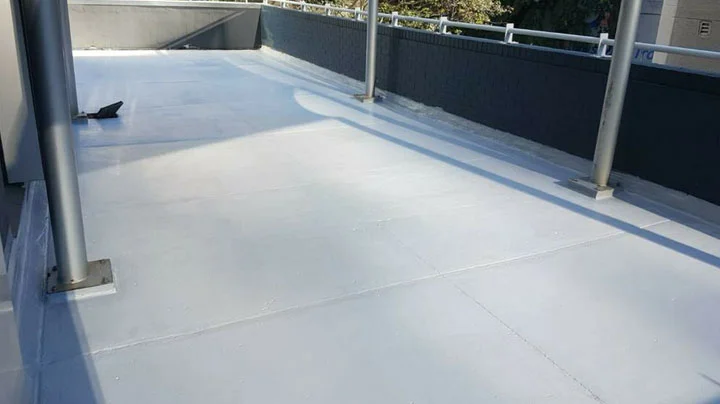
Every year, millions of Indian homeowners watch helplessly as the first monsoon showers turn into a nightmare of leaking roofs, damp walls, and costly repairs. The ceiling drips. The paint peels. The concrete weakens silently. And the worst part? Almost all of it could have been prevented with the right preparation before the rains arrive. Best Waterproofing services in hyderabad
If you have ever asked yourself — “How do I prepare my roof before the rainy season?” — you are reading the right guide. AquaLX, India’s trusted professional waterproofing service, has put together this comprehensive, step-by-step resource to help you protect your roof, your home, and your peace of mind before the monsoon strikes. Best Waterproofing services in hyderabad
From a detailed pre-monsoon roof inspection checklist to the most effective roof waterproofing treatments available in 2025, this guide covers everything you need to know — whether you have a flat RCC terrace, a sloped roof, or an old building requiring urgent attention.
Do not wait for the first leak. Act now. 📞 Call Now: +91 9347900396
How to Prepare Your Roof Before Rainy Season
To prepare your roof before the rainy season, follow these 6 essential steps:
- Inspect the roof for cracks, blisters, and deteriorated waterproofing
- Clear all drains and gutters to ensure unobstructed water flow
- Repair all cracks and joints using epoxy fillers or PU sealants
- Apply a fresh waterproofing membrane — liquid polyurethane or crystalline treatment
- Seal parapet walls, pipes, and edges where water typically enters
- Conduct a water test before monsoon to verify the treatment has worked
Professional pre-monsoon waterproofing by AquaLX ensures a 7–10 year leak-free guarantee. Call +91 9347900396 for a free roof inspection.
Why Preparing Your Roof Before Rainy Season Is Non-Negotiable
India receives an average of 1,083mm of rainfall annually — concentrated largely in the June–September monsoon window. For your roof, this means weeks of sustained water exposure, UV damage, thermal cycling, and hydrostatic pressure. Even a minor crack or degraded waterproofing layer becomes a major entry point for water under these conditions. Best Waterproofing services in hyderabad
The True Cost of Ignoring Roof Waterproofing
Most homeowners treat roof leaks as a monsoon inconvenience rather than a structural emergency. This is a costly mistake. Here is what untreated roof leakage actually causes:
- Reinforcement corrosion: Water penetrating the RCC slab reaches the steel reinforcement bars, causing them to rust and expand — cracking the concrete from within.
- Mold and health hazards: Persistent dampness creates the perfect conditions for toxic mold growth inside walls and ceilings — a serious respiratory health risk.
- Structural weakening: Long-term water ingress degrades the concrete mix, reducing the load-bearing capacity of your slab over time.
- Interior damage: Paint, plaster, wooden furniture, electrical fittings, and flooring are all damaged by chronic leakage — leading to cascading repair costs.
- Property devaluation: A building with a history of leakage commands significantly lower resale and rental value.
⚠️ Warning: A roof that survived last monsoon without visible leaks is not necessarily safe this year. Waterproofing membranes degrade gradually. Cracks that were hairline last year may have widened. Pre-monsoon inspection is essential every year — not just when a leak appears.
Complete Pre-Monsoon Roof Inspection Checklist Free Download
Before any treatment, a thorough inspection identifies exactly where your roof is vulnerable. Walk through this checklist before the rains arrive — ideally in April or May:
Structural & Surface Checks
- Check for visible cracks in the slab surface — hairline, medium, or wide
- Tap the roof surface to detect hollow areas (delaminated plaster or screed)
- Look for blistering, bubbling, or peeling on any existing waterproofing coating
- Check for efflorescence (white salt deposits) — a sign of chronic water movement
- Inspect expansion joints for deteriorated or missing sealant
- Look for signs of ponding water — uneven surface, stains, algae growth
Drainage & Outlet Checks
- Clear all roof drain outlets and pipes of leaves, debris, and sediment
- Verify that all drains are below the roof surface level (correct slope)
- Check that water flows freely toward drains — no areas of ponding
- Inspect drain collars and pipe sleeves for gaps or rust
Parapet Wall & Edge Checks
- Inspect the junction between the roof slab and parapet wall for cracks
- Check parapet wall cap (coping) for open joints or missing mortar
- Look for horizontal cracks in parapet walls caused by thermal movement
- Verify that waterproofing extends at least 150–200mm up all parapet walls
Services & Penetrations
- Check all pipe and cable penetrations for gaps at the roof level
- Inspect water tank base and supports for crack or joint failures
- Check AC condenser bases and brackets for rust and sealant failures
- Look for open gaps around staircase roof slabs and mumty walls
💡 AquaLX Pro Tip: Always conduct your roof inspection in the morning after a light shower — water stains, damp patches, and seepage paths are far more visible when the surface is slightly wet but not flooded.
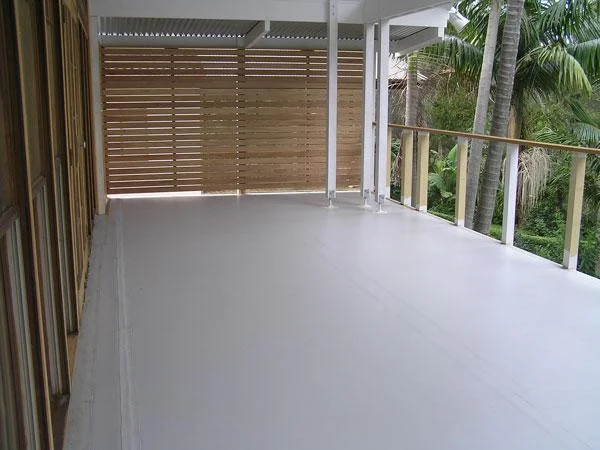
Step-by-Step Guide: How to Prepare Your Roof Before Rainy Season
Once your inspection is complete, follow this professional sequence to fully waterproof and protect your roof before the monsoon. Sequence matters — skipping steps or reversing the order compromises the entire system.
- Professional Roof Survey & Water Mapping
A certified AquaLX waterproofing specialist conducts a systematic survey, using moisture meters and visual mapping to trace all water entry points and travel paths — including hidden seepage that is not yet visible inside. Best Waterproofing services in hyderabad - Surface Cleaning & Preparation
The entire roof surface is cleaned using high-pressure water jetting to remove dust, algae, oil, and loose material. All existing failed coatings are mechanically removed. No waterproofing system performs well on a contaminated or weak substrate. - Crack & Joint Repair
All identified cracks are cleaned, widened slightly with a grinder (for hairline cracks), filled with epoxy mortar or polyurethane sealant, and allowed to fully cure before any membrane application begins. - Drain & Slope Correction (if needed)
If ponding is observed, a fibre-reinforced screed with corrected slope is applied to ensure water drains toward outlets. Drain collars are reseated and sealed with PU sealant. - Primer Application
A compatible primer is applied across the entire prepared surface to improve adhesion of the waterproofing membrane. For crystalline systems, the surface is pre-wetted. For PU systems, a solvent-based primer is used. - Waterproofing Membrane Application
The selected waterproofing system — liquid polyurethane membrane, APP modified bitumen, or crystalline coating — is applied in the specified number of coats with reinforcing fabric mesh embedded at crack locations and wall-floor junctions. - Parapet & Edge Sealing
All edges, parapet wall junctions, pipe penetrations, and drain surrounds receive an additional application of flexible PU sealant to create a fully continuous, seamless waterproof barrier at every vulnerable transition point. - Protective Screed or Finish (if required)
On trafficked roofs, a protective cement screed is laid over the membrane to prevent mechanical damage from footfall, furniture, or equipment. On non-trafficked roofs, an aluminised heat-reflective top coat is applied for UV protection. - Flood Test & Quality Sign-off
The completed roof is flooded with 50mm of water and held for 48 hours. Any seepage detected is rectified before the job is signed off. AquaLX provides a written workmanship warranty at this stage.
Get Your Roof Monsoon-Ready — Before It’s Too Late
AquaLX’s certified team completes full roof waterproofing in 3–5 days, with a written leak-free guarantee. Book your free pre-monsoon inspection today.🌐 Visit AquaLX.com📞 Call Now: +91 9347900396
Best Roof Waterproofing Methods for Indian Monsoon Conditions
Choosing the right waterproofing system for your roof depends on the roof type, severity of existing damage, usage (trafficked vs non-trafficked), and budget. Here are the leading options:
1. Liquid Polyurethane (PU) Waterproofing Membrane
Best for: Flat RCC terraces, complex shapes, new and existing roofs.
Liquid PU membranes are the most popular choice for pre-monsoon roof preparation in India. Applied in 2–3 coats by roller or brush, they form a seamless, elastic, UV-resistant membrane that bridges cracks and accommodates thermal movement. Modern formulations offer elongation of 300–500%, meaning the membrane flexes with the structure rather than cracking.
- Seamless — no joints or overlaps to fail
- UV and heat resistant — essential for exposed Indian terraces
- Can be applied over existing surfaces without demolition
- Available in heat-reflective white finish to reduce roof temperature
2. Crystalline Waterproofing Treatment
Best for: Porous or aging concrete slabs, permanent long-term protection.
Crystalline compounds are applied as a slurry directly to the concrete. Active chemicals penetrate deep into the concrete matrix and react with moisture to form insoluble crystals that permanently fill pores, capillary tracts, and micro-cracks. Unlike surface coatings, crystalline treatment cannot peel, blister, or delaminate — it becomes part of the concrete itself. Best Waterproofing services in hyderabad
3. APP / SBS Modified Bitumen Membrane
Best for: Large commercial terraces, high-traffic roofs.
Torch-applied modified bitumen sheets provide a robust, thick, self-healing membrane ideal for large industrial or commercial roofs. They offer excellent puncture resistance and are particularly effective in areas with heavy foot traffic or equipment loads.
4. Cementitious Waterproofing (Two-Component)
Best for: Water tanks, basement roofs, wet areas.
Two-component cementitious waterproofing systems offer a rigid-to-flexible waterproof coating that bonds strongly to concrete and is suitable for areas in permanent contact with water. Ideal for overhead water tank bases and below-grade roof structures.
5. Polyurethane Injection Grouting
Best for: Active leaks, structural cracks, live water ingress.
When water is actively entering through cracks, PU injection stops the leak at source. Injection ports are drilled, and expanding polyurethane resin is pumped in under pressure — forming a solid waterproof plug within the crack itself. This is often the first step before applying a surface membrane on a severely leaking roof.
How Much Does Pre-Monsoon Roof Waterproofing Cost in India? (2025)
Roof waterproofing cost varies based on roof area, system selected, and condition of the existing surface. Here is a realistic cost guide:
| Waterproofing System | Approx. Cost per Sq.ft | Best For |
|---|---|---|
| Liquid PU Membrane (2 coats) | ₹60 – ₹100 | Standard RCC terrace |
| Crystalline Treatment | ₹45 – ₹80 | Porous/aging slabs |
| Modified Bitumen Sheet | ₹90 – ₹150 | Large/commercial roofs |
| Cementitious (2-component) | ₹40 – ₹70 | Wet areas, tanks |
| Comprehensive System (all methods) | ₹100 – ₹180 | Heavily damaged roofs |
Compare this to the average cost of repairing water-damaged interiors — ceiling replastering, repainting, and furniture replacement — which regularly exceeds ₹1–2 lakh per incident. Pre-monsoon waterproofing is an investment that pays for itself many times over.
For a precise quote for your roof area, 📞 Call Now: +91 9347900396 or visit aqualx.com to book a free inspection.
Roof-Specific Waterproofing Tips for Indian Homes
Flat RCC Terrace Roof Waterproofing Before Monsoon
Flat RCC terraces are the most common roof type in India and the most vulnerable to water ingress. Key preparation steps specific to flat terraces include ensuring a minimum 1:100 drainage slope, treating all expansion joints with backer rod and flexible sealant, and applying a UV-stable, heat-reflective liquid membrane in at least two coats with fabric reinforcement at all junctions.
Heat-reflective coatings also reduce roof surface temperature by 8–12°C — lowering air conditioning loads and improving comfort in top-floor rooms. A dual benefit that makes pre-monsoon waterproofing even more valuable.
Sloped or Tiled Roof Waterproofing
For Mangalore tiled, clay tiled, or metal sheet roofs, pre-monsoon preparation involves checking for broken, cracked, or displaced tiles, re-bedding loose tiles in fresh mortar, cleaning ridge caps and valley gutters, and applying a clear penetrating waterproof sealant over all tiles to reduce porosity without altering appearance.
Old and Heritage Building Roof Repair Before Rainy Season
Older buildings built before the 1990s frequently have no waterproofing system at all — relying only on lime plaster, which has long since degraded. These roofs require a crystalline treatment applied to the cleaned concrete, followed by a comprehensive liquid membrane system. PU injection grouting is typically also required for the multiple cracks that develop in aging slabs.
Terrace Garden Waterproofing Before Monsoon
Terraces used as gardens face constant moisture loading from planted beds, root pressure, and chemical attack from fertilisers. A root-resistant, high-performance waterproofing membrane with protective drainage layer and filter fabric is essential before the monsoon adds additional hydrostatic pressure to this already challenging system.
💡 Timing Tip: Waterproofing treatments require 3–7 days of dry weather to cure fully before monsoon. In most of India, this means completing all work before mid-May to allow adequate curing before the June onset. Do not wait until June — by then, contractors are booked out and weather windows are limited.
DIY Roof Waterproofing vs. Professional Service: What Really Works?
Hardware stores are full of waterproofing products that promise easy, permanent solutions. The reality is more complicated.
Why DIY Roof Waterproofing Fails
- Incorrect product selection — consumer products are not designed for the hydrostatic pressures a monsoon exerts on a flat roof
- Poor surface preparation — the single biggest cause of waterproofing failure; dust, algae, and oil contamination prevent adhesion
- Missed entry points — without systematic water mapping, homeowners treat visible cracks while missing the actual water source
- No structural crack treatment — surface-applied products cannot bridge actively moving cracks
- No warranty — if the DIY treatment fails mid-monsoon, there is no recourse
What Professional Waterproofing by AquaLX Delivers
- Systematic diagnosis using moisture meters and professional survey techniques
- Industrial-grade materials not available in retail — higher performance, longer lifespan
- Correct surface preparation with high-pressure equipment
- Factory-trained application specialists following proven protocols
- Written workmanship warranty of 5–10 years
- Post-monsoon inspection and maintenance support
Don’t Gamble With Your Roof This Monsoon
AquaLX has waterproofed over 10,000 homes and buildings across India. Our pre-monsoon roof preparation service comes with a written guarantee — so you can face the rains with complete confidence.🌐 Book Free Inspection at AquaLX.com📞 Call Now: +91 9347900396
Frequently Asked Questions (FAQs)
Structured for Google Featured Snippets & Voice Search
Q1. When is the best time to waterproof a roof before the rainy season in India?
The ideal time to waterproof your roof before the rainy season is between February and May — at least 4–6 weeks before the monsoon onset. This allows sufficient time for inspection, surface preparation, application, curing, and water testing. Most waterproofing treatments require 3–7 days of dry weather to cure fully before exposure to rain.
Q2. How do I know if my roof needs waterproofing before the monsoon?
Signs that your roof needs waterproofing before the monsoon include: visible cracks or blistering on the roof surface, damp patches or peeling paint on the ceiling below, white salt deposits (efflorescence) on walls, water staining around drain outlets, and any history of leakage during previous monsoons. When in doubt, have a professional inspection — it is free with AquaLX.
Q3. What is the best waterproofing for a flat concrete roof in India?
For flat concrete roofs in India, the best waterproofing options are liquid polyurethane (PU) membrane for its seamless, UV-resistant, elastic properties, or crystalline waterproofing for permanent protection of porous and aging concrete. For active leaks, polyurethane injection grouting is first applied to seal the crack, followed by a surface membrane system. Best Waterproofing services in hyderabad
Q4. How long does roof waterproofing last?
A professionally applied roof waterproofing system typically lasts 7 to 10 years, depending on the system used, quality of surface preparation, and level of maintenance. AquaLX provides a written workmanship warranty on all roof waterproofing projects. Annual pre-monsoon inspections can significantly extend the life of any waterproofing system.
Q5. Can roof waterproofing be done during the rainy season?
Most waterproofing systems cannot be applied to wet surfaces or during active rainfall, as they require a dry substrate to bond correctly. However, polyurethane injection grouting can be performed during active leaking conditions to stop live water ingress. The best practice is to complete all waterproofing work before the monsoon begins — ideally by mid-May.
Q6. How much does roof waterproofing cost in India?
Roof waterproofing in India typically costs between ₹60 and ₹180 per sq.ft, depending on the system selected, roof condition, and area size. A standard 1,000 sq.ft terrace can be professionally waterproofed for ₹60,000 to ₹1,80,000 — a fraction of the cost of repairing water-damaged interiors. Contact AquaLX at +91 9347900396 for a free, no-obligation quote.
Q7. Does waterproofing reduce roof temperature?
Yes. Heat-reflective waterproofing coatings — particularly white or aluminised polyurethane membranes — can reduce roof surface temperatures by 8–15°C compared to uncoated or dark-coloured surfaces. This reduces heat transfer to the floor below, lowers air conditioning energy consumption, and extends the life of the waterproofing membrane itself by reducing thermal stress.
Q8. How do I find a reliable roof waterproofing contractor before monsoon?
To find a reliable roof waterproofing contractor, look for companies with verifiable project experience, certified applicators, use of branded materials, transparent quotations, and written workmanship warranties. AquaLX meets all these criteria — with 10,000+ completed projects, free site inspections, and a documented warranty on every job. Call +91 9347900396 to get started.
📎 Keep Reading — More from AquaLX
Explore these related guides to protect every part of your home from water damage:
- Balcony Leakage Repair Without Removing Tiles: Complete 2025 Guide
- Terrace Waterproofing Solutions That Last 10+ Years
- Bathroom Waterproofing: How to Stop Leaks Permanently
- Crystalline Waterproofing vs Liquid Membrane: Which Is Right for You?
- Monsoon Home Maintenance Checklist: 15 Things to Do Before June
- How PU Injection Grouting Stops Active Roof Leaks Immediately
- Top 8 Signs Your Roof Waterproofing Has Failed — And What to Do Next
SEO note: Each linked article targets a distinct long-tail keyword cluster (balcony, terrace, bathroom, crystalline, monsoon checklist, PU grouting) — building topical authority across the waterproofing niche and reducing bounce rate by keeping visitors engaged longer.
Conclusion: Your Roof Cannot Wait — The Monsoon Won’t
The monsoon is coming — and it is coming whether your roof is ready or not. The difference between a stress-free rainy season and a nightmare of leaking ceilings, damaged walls, and emergency repair bills is simple: preparation.
As we have seen in this guide, preparing your roof before the rainy season is not complicated — but it does require the right knowledge, the right products, and professional execution. From conducting a thorough pre-monsoon inspection to selecting the correct waterproofing system for your specific roof type, every step matters.
AquaLX has helped over 10,000 homeowners across India face the monsoon with confidence. Our certified specialists, industrial-grade materials, and written workmanship warranty ensure that when the rains arrive, your roof holds — for years to come.
Do not let another monsoon catch you unprepared. Act today — before the rains arrive, before the contractors are booked out, and before the damage begins.
Your Roof. Our Guarantee. Zero Leaks — This Monsoon and Beyond.
Book your free pre-monsoon roof inspection with AquaLX today. No obligation. No hidden charges. Just expert advice and a permanent solution.🌐 Visit AquaLX.com📞 Call Now: +91 9347900396
💬 Did This Guide Help You?
If this article helped you understand how to prepare your roof before the rainy season, please share it — with your neighbours, your housing society group, or anyone you know who is facing roof leakage issues. A small share could save someone a very expensive repair bill this monsoon. Best Waterproofing services in hyderabad
We love hearing from our readers. Drop your questions, roof leakage experiences, or feedback in the comments below — our waterproofing experts personally respond to every query.
Share this article on WhatsApp, Facebook, or LinkedIn and help your community face the monsoon better prepared. 🌧️🏠
© 2025 AquaLX Waterproofing Services. All rights reserved. | aqualx.com | 📞 +91 9347900396 | Professional Roof Waterproofing Across India